
February 24, 2026
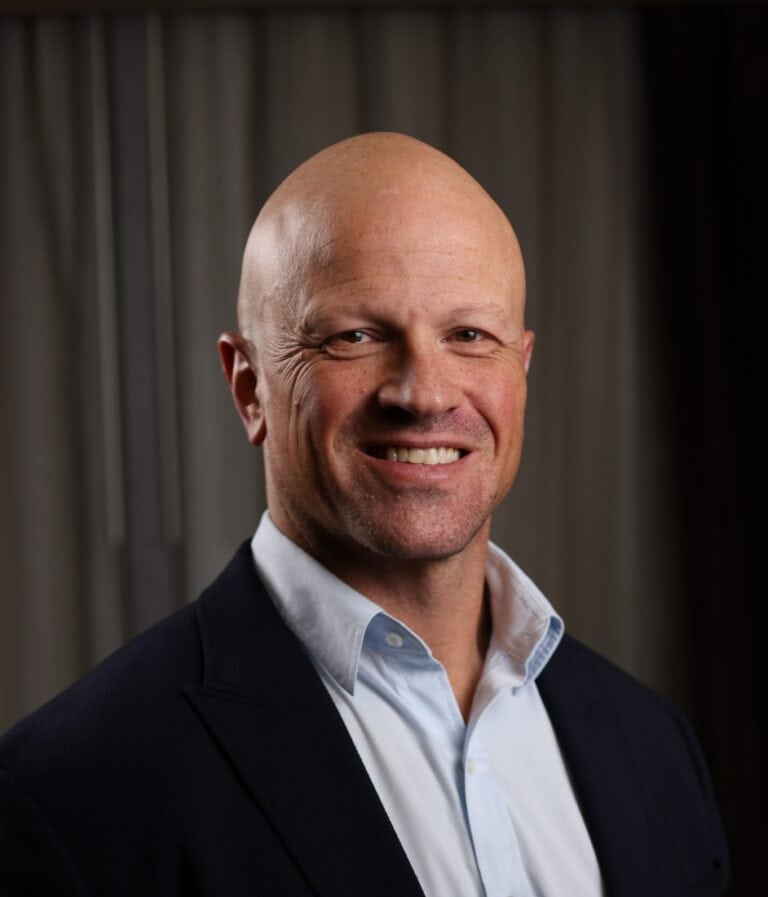
Brad Charron – CEO, ALOHA
Shut Down or Start Over: Brad Charron, CEO of ALOHA on Rebuilding a Brand
Listen on:





The best reboots don’t start with a flashy roadmap. They require honesty and reflection with courage to make consequential decisions swiftly. When a company is bleeding cash, stuck in the past, and getting further from what customers want, you eventually hit a fork in the road. Do you strip it down and rebuild, or walk away and call it a day? It’s a tough decision as it forces leaders become refounders; to build trust and create a culture the team can rally behind with a vision for success.
To be an Entrepreneur you must believe in your ability to solve problems. Trying to be perfect is the enemy of progress but sometimes you have to take a risk. On this week’s episode of the Reboot Chronicles we talk with a fellow refounder and professional rebooter Brad Charron, CEO of Aloha. committed to building a great brand that screams optimism backed by human values.
What Brad inherited wasn’t a rocket ship. It was a beloved brand attached to a failing idea, buried under too many SKUs, a culture that had gone toxic, and losses so severe that the easiest answer would have been to call it. Instead, Brad rebuilt Aloha around a new set of priorities: fewer products, real ingredients and an employee-owned operating model rooted in transparency and accountability.
Can you really have a relationship with a brand? According to Aloha, yes you can!
Competing With Giants Through Focus And Integrity
Brad is realistic about the competitive landscape. Aloha operates in a category dominated by some of the largest consumer packaged goods companies in the world. Those companies can outspend and outscale smaller brands with ease. What they cannot always do is pivot quickly to stay fully aligned with changing consumer values. Brad believes that is where emerging brands can win. As he put it, “They can outscale us, but they can’t out-innovate us or out-passion us.”
That mindset has shaped every major decision inside Aloha. The company has taken a firm stance on ingredient integrity, maintaining USDA organic certification, non-GMO verification, and climate-neutral commitments without compromise. Brad sees this consistency as essential to building trust with modern consumers who want transparency and authenticity from the brands they support. Rather than chasing every new trend or expanding into unrelated categories, Aloha has stayed focused on delivering real food with recognizable ingredients. Over time, that clarity has translated into something more valuable than short-term growth: customer loyalty. For Brad, repeat purchases are the ultimate proof that a consumer brand is winning.
Scaling Without Losing Discipline
Expansion into new categories, new geographies, and new partnerships is always on the table at Aloha. Investors and advisors regularly present ideas that could accelerate growth. But Brad has made a deliberate choice to move carefully. He believes complexity can overwhelm a company long before competition does, especially when a brand expands faster than its foundation can support.
That is why Aloha prioritizes what Brad calls the “freedom to operate.” If the company meets its top-line and bottom-line goals, it maintains control over its strategic direction and avoids unnecessary distractions. This philosophy extends across hiring, technology, and operations. The team does not throw people at problems or chase growth for its own sake. Instead, Brad encourages constant evaluation of whether better systems, smarter prioritization, or simply saying no will create a stronger long-term outcome. That discipline has allowed Aloha to scale steadily without losing that focus that fueled its turnaround.
Leadership Built On Transparency And Curiosity
Underlying that discipline is a leadership philosophy grounded in transparency and shared accountability. At Aloha, employees have visibility into the company’s financial performance and strategic goals. They understand what success looks like and how their work contributes to it. Brad believes that treating people like owners creates a stronger culture than shielding them from reality. “It would be disingenuous to ask people to run through the wall if they don’t know where the goalposts are,” he explained.
That openness is reinforced by a deep sense of curiosity. Brad describes himself as a constant observer of consumer behavior, someone who studies how people shop and what drives their decisions. His career across PepsiCo, Under Armour, Chobani, and Kind reinforced the importance of pattern recognition and continuous learning. Each role pushed him into unfamiliar territory and forced him to build new capabilities along the way. His advice reflects that journey. Growth rarely comes from waiting until you feel ready. It comes from stepping into roles that stretch your abilities and learning in real time.