
March 3, 2026
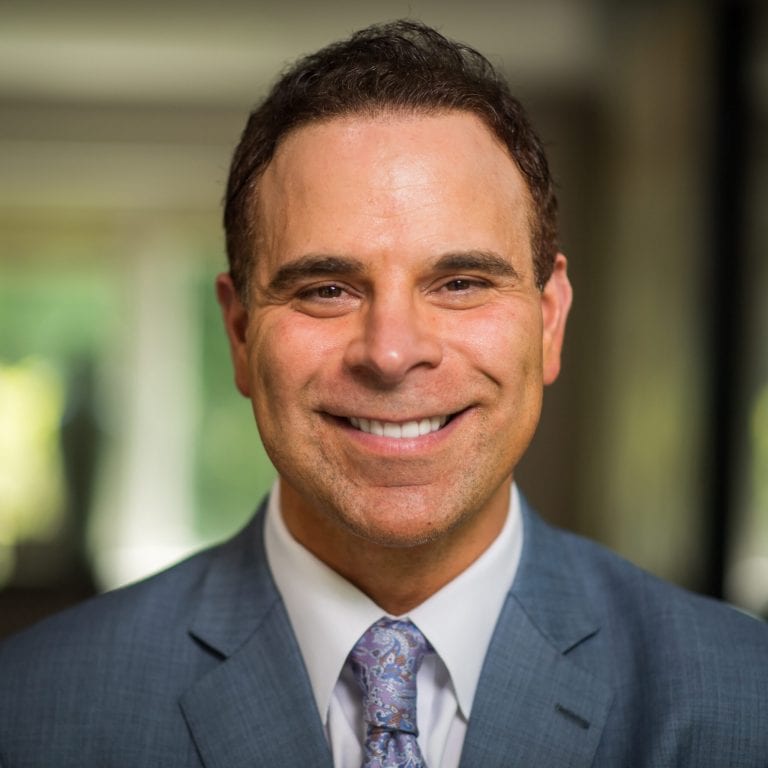
Gary C. Evans – Chairman, CEO, US Antimony
Race To Reclaim Critical Minerals, Gary C. Evans – CEO of US Antimony
Listen on:





When one of the world’s largest antimony mines went offline, the world didn’t just lose a mineral source—it exposed a geopolitical fault line. China, which controlled the mine and most of the global supply, began restricting exports as reserves tightened. Suddenly, the materials behind ammunition, advanced optics, semiconductor manufacturing, and even renewable energy systems were in question. A mineral most people had never heard of became a pressure point for national security and global industry.
On this episode of The Reboot Chronicles we sit down with someone at the center of the solution: Gary C. Evans of U.S. Antimony. We explore how antimony became a strategic flashpoint, why the U.S. is racing to rebuild domestic capacity, and how Evans is steering the company into a pivotal leadership role in the critical-minerals landscape.
The Breakthrough That Changed the Narrative
Antimony has always been essential but rarely discussed. It hardens lead for ammunition, enables ignition systems, supports fire-retardant materials, and appears in defense systems and industrial building projects. When China’s supplies ran low and stopped exporting, the market shock was immediate, exposing just how concentrated and fragile the supply chain had become.
U.S. Antimony’s rise didn’t happen by chance. As the only company operating an active antimony smelter in the United States, it became the natural anchor for rebuilding a domestic supply chain. That position led to a pivotal Department of Defense contract worth $248 million to produce 99.7 percent pure antimony ingots—an award that effectively jump-started America’s ability to scale production immediately. Combined with a strategic partnership that secures long-term feedstock and processing capacity, the company has transformed from a twenty-cent stock into a billion-dollar enterprise. Revenue is projected to hit $125 million this year, a dramatic leap from the $5 million baseline when Gary Evans stepped in just three years ago.
Critical Materials Arms Race
Critical minerals have moved far beyond procurement checklists. They now function as levers of geopolitical power. Antimony remains foundational for munitions and defense systems, while minerals such as tungsten and cobalt underpin submarine components, hardened tooling, and the electronics that enable modern warfare and industrial capacity. Years of offshoring in pursuit of efficiency hollowed out domestic processing and left the United States with a supply chain optimized for cost, not resilience.
What Gary sees emerging is a story with real stakes. The U.S. is no longer dealing with a temporary squeeze but a fundamental shift in how nations compete—one that forces a rebuild of throughput, processing, and strategic reserves from the ground up. In his view, this is the moment when decades of underinvestment collide with geopolitical reality, and only those willing to move with urgency, coordination, and discipline will shape the next era of American industrial strength.
The Next Chapter Belongs to the Builders
Gary approaches mining with the same “junkyard dog” mentality that defined his oil and gas career. He avoids speculative exploration and instead reactivates proven assets, applying better processing, tighter capital discipline, and emerging data tools to unlock value others overlooked.
Market leadership in critical minerals isn’t won through hype. It’s earned through purity, throughput, reliability, and trust—the metrics that defense agencies and industrial buyers actually bet on. By securing strategic partnerships and delivering against demanding DOD standards, Gary is building more than a company. He’s constructing a platform capable of expanding into other constrained minerals, creating the industrial backbone the U.S. will need in the second half of the decade. In a sector where national resilience and commercial opportunity now move in lockstep, U.S. Antimony is positioning itself to shape both.