




Dean DeBiase is a best-selling author and Forbes Contributor reporting on how global leaders and CEOs are rebooting everything from growth, innovation, and technology to talent, culture, competitiveness, and governance across industries and societies.

AI Is Coming For Your Credit Score: Is It Good For Consumers?

By Dean DeBiase
About 40 years ago, American consumers were introduced to the FICO score – the three digits that defined who you were in the eyes of banks, landlords, car dealers, even romantic partners — yes even that. Over 750, and you are highly creditworthy, trusted to spend other people’s money and pay it back reliably. Drop below 700, and you’ll be limited to loans carrying the highest interest rates or often no loans at all. Sound outdated? It is.
Notoriously hard to raise and easy to fall, the FICO score has created a feedback loop where consumers who could be good borrowers get stuck with limited access to credit. That’s not just bad for individual economic opportunity, it’s bad for the economy overall. Every year, billions of dollars’ worth of consumer loan volume is lost because people on the fringe of “good credit” are not approved based on rigid, outdated models. And with headlines about soring credit card rates, and the administration attempting to temporarily cap them, consumer financial experiences look to be worsening.
My Seven Wonders of AI series explores how artificial intelligence is reshaping the economy and how we live our lives. In it, I’ve talked about how the Colossus of Rhodes, a symbol of unity and commerce, could today represent the ways AI is automating processes across all industries. Chief among them right now is the financial sector, with AI-powered programs making decisions over how money moves, from stock trading to insurance to credit.
The problem isn’t that the FICO score exists. It’s that a single, backward-looking number is still treated as a near-perfect proxy for creditworthiness. It’s not — especially in a world where real-time financial behavior can now be analyzed continuously. AI doesn’t eliminate the credit score – it exposes its limits.
Rebooting FICO
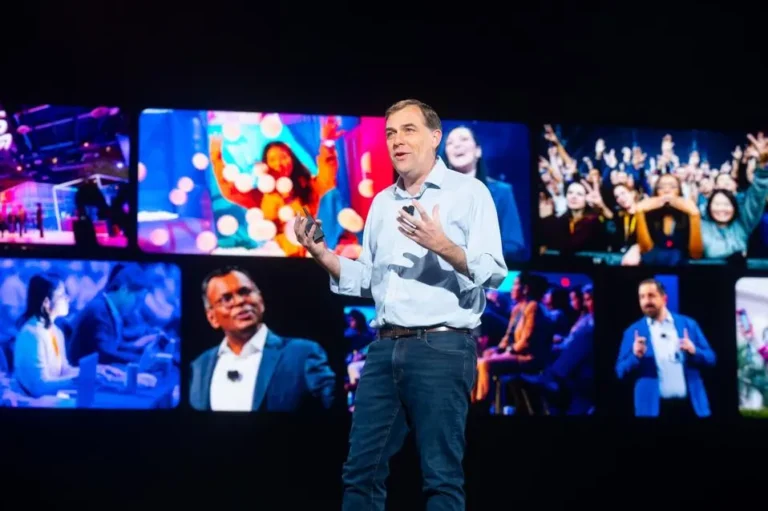
I recently conducted an in depth interview with Sanjiv Das, co-founder & President of Pagaya, a fintech that provides AI-driven consumer credit solutions for dozens of major lenders like U.S. Bank, SoFi, Klarna and more. Das explained to me how AI is enabling real-time adjustments in credit risk modeling, giving lenders much more clarity in market conditions and confidence in a borrower’s ability to repay, independent from what FICO score says about their history: “FICO and many of the credit scores were based on a certain set of static rules, whereas now we have dynamic information that keeps coming. Even though I don’t use the data from one lender to another, I use the intelligence from one lender to another. I can spot trends much faster than anyone else.”
In other words, if Pagaya sees a lender’s risk rating increase, it can almost instantaneously dial down approval rates across that credit sector in its portfolio. That kind of adjustment would have previously taken weeks or months of data analysis to perform.
Pagaya’s AI underwriting model is integrated directly into its lending partners’ loan flow, so a consumer would never know they are interacting with it. But the experience for borrowers on the fringe of FICO green territory is far improved, as they can more often access the credit they need through a lender they trust. In the last ten years, they has helped approve over $38B in consumer credit that would have otherwise been denied. Seems like progress toward closing the credit gap and boosting economic inclusion in the U.S. – especially important at a time when consumers are feeling more uncertain and financially stretched.
These emerging models are developing a new secret sauce — geared toward removing balance sheet risk from lenders, and supporting increased loan volume without potential financial downsides. Pagaya, for example, assembled a network of more than 150 institutional investors, many of them private credit institutions, that purchase loans through large ABS deals. Last year they were the leading issuer of ABS deals in the U.S., with over $5B worth of transactions to secure personal loans. Wall Street is beginning to see the benefits of this next generation of AI-based credit approval.
How Can AI Augment All Of Finance

AI is causing disruption across the financial sector, rewiring the rails of all kinds of money movement. In another in depth interview, Matthew Oppenheimer, CEO of Remitly, shared with me how his company is rebuilding the $1.8 trillion cross-border payments market on a digital-first foundation. Where legacy players relied on cash counters and high fees, Remitly uses software, scale, and AI-enabled compliance to deliver 90% of transfers in under an hour, while driving down costs and fraud. The lesson mirrors Pagaya’s: financial services can no longer rely on static systems, but instead dynamic models that adapt in real time, whether underwriting a loan or moving money globally.
The same is true in reshaping corporate finance. Henrique Dubugras, co-founder of Brex, explained, in an interview with me, how his fintech has pivoted from startups and small business to serving larger enterprises with AI-powered spend management tools. Brex’s platform uses automation to embed compliance directly into corporate cards, making expense reporting seamless while improving policy adherence. Dubugras argued that the future of fintech lies in automating away manual review (of receipts, contracts, approvals, etc.) so finance teams can focus on strategy, not paperwork. Like Pagaya and Remitly, Brex shows how AI is collapsing friction across the financial stack, replacing static rules with adaptive, data-driven decision-making.
The Future Of Lending And Living Here And Abroad

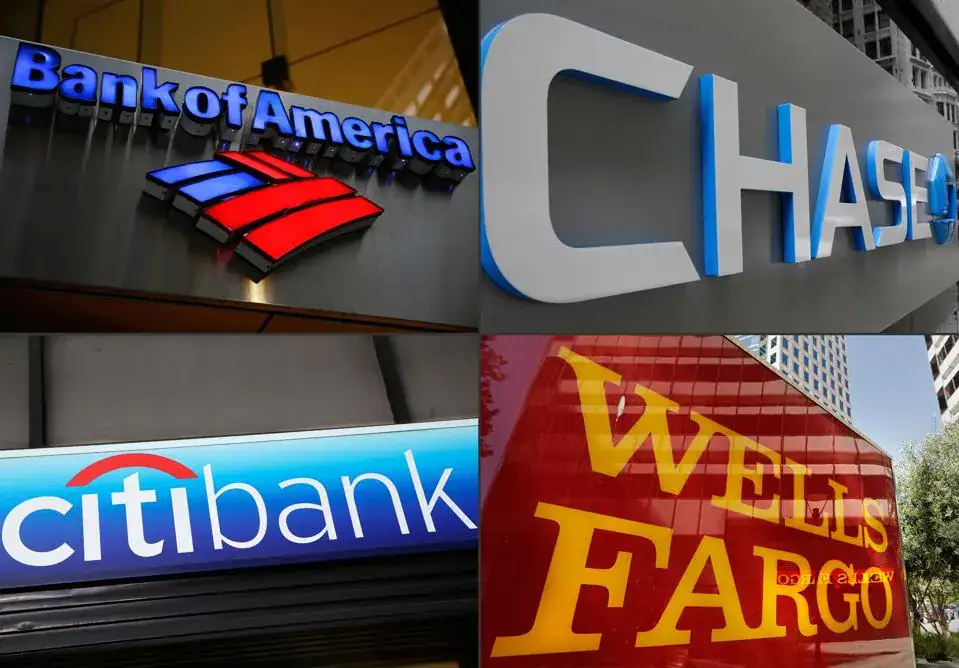
Amid all of this innovation through AI, FICO is not sitting idle (NYSE: FICO). The company is working to develop risk managed predictive AI algorithms to incorporate into its FICO scoring model, among other research use cases. But it needs to move faster as the human-centric method is waning. Financial big-dog heavyweights like Capital One, Synchrony, JPMorgan Chase, Wells Fargo, Bank of America, and Citi have been lowering their pure dependence on FICO, instead building proprietary scoring models that draw from richer, real-time data.
AI makes clear that creditworthiness is not one-size-fits-all. The future of consumer lending belongs to models that capture a dynamic, real-time picture of financial behavior, expanding access for a broader and more representative set of responsible consumers. Whether FICO remains central to that future depends on how it adapts in the year ahead. The question remains though, how long will it take the big dogs to adopt new models, beyond consumer FICO scores, and enable the next generation of lending and living that can empower consumers to get out from under a single score world that often holds them back. The smart institutions are looking at their build/buy/borrow acceleration options, which will lead to smart partnering with (or even acquiring) these emerging platforms of change.