
December 3, 2025
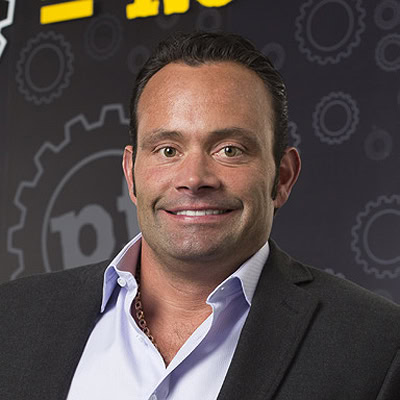
Dan Brouillette – Torridon Group
Rebooting America’s Energy Future, Dan Brouillette – FRM United States Secretary of Energy
Listen on:





Building on our recent explorations of global markets, (Rebooting Global Trade Protection), we now turn to one of the most urgent and fascinating conversations of our time: energy. From powering nations to fueling the explosive growth of AI, the energy sector is at the center of innovation, geopolitics, and technological transformation. As data centers expand and tech giants demand ever more power, the question of how we generate, manage, and reinvent energy has never been more critical. That’s why, in this episode of The Reboot Chronicles Show, we’re diving deep into the worldwide energy landscape—examining both global dynamics and the challenges here at home.
To unpack the urgency of all this is Dan Brouillette, a true heavyweight in American energy policy and international energy diplomacy. Dan’s remarkable career spans from commanding tanks in the U.S. Army to serving as the U.S. Secretary of Energy. Along the way, he’s influenced nuclear strategy, national security, Fortune 100 leadership, and high-stakes negotiations that stabilized oil markets between the United States, Russia, and Saudi Arabia. He’s the ideal voice to help us unpack how America can expand its energy future, meet the demands of the AI revolution, and reflect on the personal reboots that have shaped his extraordinary journey.
America’s Energy Strengths And Shortfalls
As Dan highlights early in our discussion, the United States is now the “largest producer of oil and gas” in the world. Since 2019, America has produced more oil and gas than the oil giants like Saudi Arabia. On top of that, the U.S. has also become “the largest exporter of liquefied natural gas now.” An industry that did not exist a decade ago.
Though the US strengths and progress in this space are quite impressive, Dans warns that America is still falling behind due to our ability to move these sources to market. Pipeline capacity is currently limited; coupled with the fact that we struggle to get transmission towers built in the United States easily, as the process is slow at both the state and federal levels; there are significant challenges to overcome. The U.S. must ensure that energy is efficiently brought to market, because with the explosive growth of AI, data centers, high-powered computing, and other energy-intensive technologies, the nation is on track to face a severe power deficit within the next five years if action is not taken
Public And Private Collaboration At Large
As technology has become one of the largest drains of energy of our era, America’s existing systems are struggling to keep pace with the demand needed to power the nation’s future. Into this gap step the hyperscalers—tech giants so massive they’re now offering to generate their own electricity. As Dan Brouillette observes, “Hyperscalers come in today and say we’ll buy our own generation, but we’ll build it big enough to serve part of the public demands as well.” It’s a striking reminder of just how central the global AI race has become to these companies—and how outsized their influence is in today’s economy.
Dan recalls a different era, when industrial titans like Ford faced enormous energy needs but lacked the scale or capital to build their own generation. The contrast underscores how far the landscape has shifted: today’s hyperscalers aren’t just consumers of energy—they’re becoming producers, reshaping the balance of power in both technology and infrastructure.
Dan’s Personal Reboot
Dan’s career is nothing short of remarkable, spanning multiple sectors and reinventions. He began in a blue-collar family, working as a welder’s assistant and pipeline welder before taking on the role of tank commander during the Cold War—his first major reboot. Stationed at the tense border between East and West Germany, he was immersed in the geopolitical strategies unfolding around him, sparking a deep interest that would ultimately steer him toward policy. From there, Dan transitioned into government service, first as a congressional staffer and eventually rising to the highest levels of leadership.
What’s striking is that through every transition, Dan stayed grounded in a personal philosophy he shared that will likely resonate with many of our listeners; “Don’t chase a title. Don’t chase a headline, chase purpose.”