
October 22, 2025
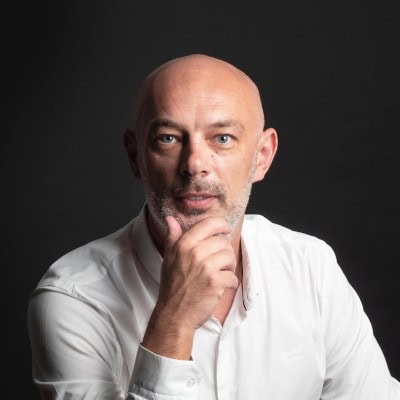
Henry Ajder, Founder – Latent Space
Mapping The Synthetic Age, Henry Ajder – Founder Latent Space
Listen on:





Artificial Intelligence and the potential productivity benefits continue to be an area of focus across industries, yet AI’s influence now extends into our culture. From deepfakes and cloned voices to AI-generated art and virtual influencers, a new wave of synthetic content is transforming media and testing our ability to trust what we see and hear.
In this episode of The Reboot Chronicles, Henry Ajder,founder of Latent Space Advisory and program lead of Generative AI and Business at the University of Cambridge joins us to discuss this shift. Henry has spent the better part of a decade decoding how synthetic media will alter trust and creativity. He is with us today to help understand what a synthetic age of media really means for business, leaders, governments, and everyday people.
The Deepfake Coin Flip
There was once a time, not too long ago, when AI-generated content was almost impossible to view as real. Hands were messed up, people and their surroundings merging into one another, that almost plastic glow AI faces had in images. Though that has changed, Henry warns, “it is a coin flip for you and basically anyone else in terms of spotting AI-generated content.” Things like voice cloning, generative video, and synthetic personalities are available to anyone with a device that can run any number of AI platforms. This brings up a real issue that I am sure many of our readers have felt: “How do we know what is real or what is not anymore?” Whenever you open up TikTok or any other social media app, there is a growing doubt about what is real and what is AI-generated content. This is why Henry is working to build a secure layer of information to combat the synthetic age, so that there is something out on the internet that is verifiably real and trustworthy.
Ethics In An AI Arms Race
In working as an advisor on this topic, Henry has become a crucial voice of reason in a variety of boardrooms. His counsel revolves around maintaining trust with the clientele. “One of the most important challenges and currencies of this kind of new age AI is trust,” Henry explains. That trust among users is what Henry advises firms like Synthesia, the $4 billion company pioneering AI-generated avatars, to keep at the forefront of any of their new products.
Henry also advises policymakers as they are playing catch-up to the speed at which this technology is being developed. Henry calls the path these policymakers must follow the “Innovation tightrope,” encouraging responsible development while avoiding going overboard on regulations. It is a fine line that must be treaded carefully, but there is a global patchwork of AI governance taking shape that Henry has noted, one that will help to define how everyone can adapt to synthetic media.
Balancing Curiosity And Vigilance
Although all of this does sound very frightening, a world in which real and synthetic media are indistinguishable from one another has many scary “what-ifs” attached to it. Though Henry wants everyone not to take this as a message of fear, but one of awareness. “I can’t sugarcoat this new landscape in terms of not being able to trust what you can see,” Henry explains, but he notes that it is important to remain ever vigilant when viewing any content, especially as it gets closer to content that is parading as fact and political news. He wants us to fight against a future where everyone is left in the dark, “shrugging their shoulder, saying, I have no idea what’s real or not.” Always question the content you see on the internet, and worst comes to worst, it could be a good idea to put the phone down and engage in something away from all the AI media mess.