
November, 18 2026
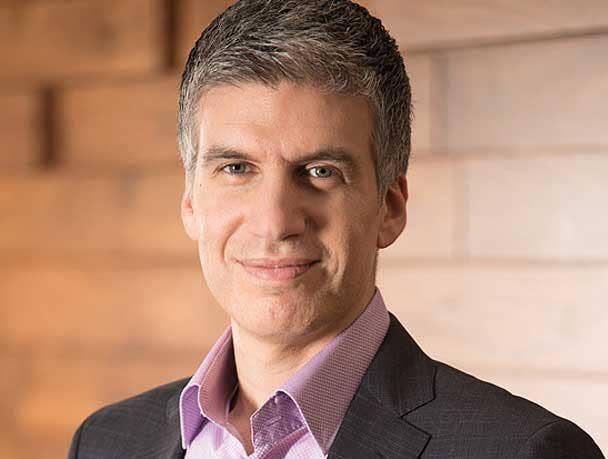
Kurt Kober – CEO, Glo Skin Beauty
The 29-Year-Old Startup: Kurt Kober, CEO of Glo Skin Beauty
Listen on:





The beauty industry is one of the most crowded and competitive markets in consumer goods. New skincare brands launch almost daily, digital shelves are flooded with options, and consumers increasingly discover products through algorithms, influencers, and AI driven search rather than store aisles. At the same time, much of the category has become highly clinical and ingredient focused, leaving many brands sounding the same. For established brands, the challenge is not just standing out. It is connecting professional channels, digital commerce, and brand storytelling into one consistent experience that builds trust. Glo Skin Beauty, a 29 year old clean and clinical skincare brand with the highest Net Promoter Score in beauty and a network of more than 10,000 aestheticians who have recommended it, had the products and the credibility. What it lacked was the commercial engine to scale.
On this episode of The Reboot Chronicles Podcast, we sit down with Kurt Kober, CEO of Glo Skin Beauty and co-founder of KYT Group, which recently acquired the brand. Kurt, who helped lead The Honest Company toward its IPO after building his foundation at Clorox, shares why KYT chose to reboot an established brand rather than build one from scratch, how Glo is reconnecting its professional and digital channels, why the company plans to reduce its product assortment by nearly 50 percent, and how it is using decades of clinical and aesthetician data to power its AI strategy. He also explains the new category Glo is building, which he calls performance luxury, and the personal reboot that reshaped how he thinks about health, work, and community.
From Clorox Discipline to Honest Company Purpose
Kober’s career began with a deliberate choice. After earning his MBA at the University of Wisconsin-Madison, he joined The Clorox Company in Oakland to learn how a well run public company operates. What he expected to be a three to five year stop became a foundation in focus, rigor, discipline, and what he calls “fidelity to a plan.” Those lessons, along with a period in which he ran for public office, an experience he says made him a better leader, prepared him for his next role at The Honest Company.
At Honest, founded by Jessica Alba, Kober was part of the second leadership team brought in after the company’s direct to consumer launch phase to prepare the business for an exit, which ultimately became an IPO. His job was to bring more rigor without recreating Clorox. That created some cultural friction in a company where many employees had joined primarily for the mission. The breakthrough came when people could see how that mission connected to their daily work. “Engagement really went up with the team when you were able to connect that big mission and vision with the bottom line and the work that was on their desk,” he said. His lesson for any reboot is to start with a clear mission and vision, then break it down into quarters, months, weeks, and days.
Why KYT Chose to Reboot Instead of Build
Kober co-founded KYT Group with Michael Janover, who spent more than 20 years at CAA incubating and scaling brands including Haus Labs and Charlotte Tilbury. Together, they identified a consumer they describe as the “fearlessly visible woman.” She is high performing, discerning, busy by choice, and focused on success at work, at home, and in her community. While categories such as skincare, supplements, personal care, and wellness were growing rapidly, Kober and Janover believed she was not being well served by the brands available to her.
Rather than launching a new brand, KYT looked for established businesses with untapped potential. Glo Skin Beauty fit that profile. Founded in Denver 29 years ago by a plastic surgeon and a supply chain expert, Glo had built a reputation for clean, clinical, highly effective products, but had never had a large marketing or commercialization organization. That gap was a major reason the business was available and an opportunity KYT was built to address. Kober calls it “a 29 year old startup.” The brand has history and credibility, but under new ownership it is operating with the urgency of a startup again.
Turning Trust Into a Competitive Advantage
The core challenge was a disconnected business. About half of Glo’s revenue came through spas, salons, and med spas, while the other half came through Amazon, direct to consumer, and third party sellers. The brand looked and felt different in each channel. At the same time, Kober believes much of the beauty industry has become too focused on the rational side of skincare. “The beauty industry has gotten very cold,” he said. Glo’s answer is to lead with a purpose that is grounded in its real history.
That purpose is what the company calls visible vitality. “The consumer of this brand told us, I want to look on the outside like I feel on the inside,” Kober explained. “It’s not about looking like someone else. I want to look like I feel.” The brand’s credibility is already strong. Glo has the highest NPS score of any beauty brand, driven by products designed so consumers can see and feel a difference from the first application and by decades of professional recommendations. “You can’t buy 30 years and 10,000 estheticians,” Kober said. Aestheticians are now playing an even larger role, serving as the warmth and personal connection behind the brand.
Using AI to Activate 29 Years of Data
Kober approaches AI in two ways. Internally, it is being used to accelerate insights and productivity across the business. Externally, Glo is activating a rare data set, including 29 years of brand history, clinical studies from the company’s founding, and the experience of thousands of aestheticians, to improve relevance in digital discovery. The first step is an AI agent on the Glo Skin Beauty website that helps consumers discuss their skin concerns, identify the right products, and book treatments with Glo aestheticians.
The broader goal is to make Glo highly visible as consumers increasingly discover brands through AI tools, online communities, and social platforms. Glo is connecting its digital presence to its network of roughly 5,000 active aestheticians, many of whom have smaller but highly engaged audiences that carry strong social credibility. The company is also linking online discovery to in person experiences. Kober points to research showing that 60 percent of consumers who buy products through an aesthetician will repurchase online, which is why Glo is focused on making its professional and digital channels work as one connected ecosystem.
Simplify, Differentiate, and Create Performance Luxury
Kober is candid that Glo currently offers more products than its consumer needs. Over the next three years, the company plans to reduce its assortment by nearly 50 percent while improving the products it keeps. The fearlessly visible woman wants simplicity, multitasking products, and high efficacy. A smaller, stronger assortment is the foundation for growth.
Glo is also rebuilding its professional team and changing how it enters spas and salons. Instead of asking for shelf space for home care products in a highly competitive market, Glo starts with the back bar, the products aestheticians use during treatments. That conversation focuses on how Glo can help professional partners grow service revenue and margins. Complementary home care products then follow naturally from those treatments.
Strategically, Glo is building a new category Kober calls performance luxury. Luxury beauty brands offer an elevated experience and signal status, while clinical brands are chosen primarily for efficacy. Glo’s target consumer wants both. The category is anchored by the company’s epidermal growth factor franchise, a technology originally used after plastic surgery to help regenerate skin. Glo developed a vegan version that does not rely on human derived ingredients and works quickly. Looking ahead, KYT plans to expand through acquisitions in adjacent categories, including beauty from within supplements and products connected to sleep and stress, either under the Glo brand or elsewhere in the KYT portfolio.
The Reboot: Challenging Old Assumptions
After leaving The Honest Company, Kober took about 18 months away as he and Janover began building KYT. He used that time to challenge assumptions he had carried for years, including the belief that his health or aging would simply follow the path of his parents. He credits a lifelong learning mindset and curiosity with helping him make that shift. “I was always curious as a kid and never lost that curiosity,” he said.
That reboot included finding new ways to stay active and engaged, from working out to gardening at his home on Lake Michigan in Wisconsin, where he is planting a hill of hydrangeas. He also deepened his involvement in his hometown of Sheboygan, where he serves on the board of the public education foundation and is working with the city on a project to open a mile of Lake Michigan shoreline to public use. For Kober, the lesson is that mental, physical, and civic wellness are connected, and that stepping back to question long held assumptions can be the beginning of the next chapter.